



One of the most common questions we receive is how much cash is needed to close a commercial real estate transaction. The amount varies depending on the property jurisdiction and deal size, but one category that moves the needle is closing prorations.
It is crucial to understand prorations—specifically what they are, and how they are reflected at the closing table. Knowing how prorations work before you participate in a Ten-X online auction ensures a smooth transaction, minimizes disputes, and manages financial risks.
What are Prorations?
Commercial real estate prorations are allocations of expenses and/or income between the buyer and seller of a commercial real estate asset based on a time period of ownership.
Prorations are calculated at the time of closing and ensure that both parties are fairly compensated for expenses incurred or income generated during their respective ownership periods.
How Prorations Work
1. Identify Proratable Items
First, we start with the property income. Property income includes rent and any other income actually received by the property owner.
Second, we look at the property expenses. Property expenses may include property taxes, utilities, and any other operating expenses incurred by the property owner. Special attention must be paid to items such as real estate taxes which may be pre-paid and result in large credits to the buyer.
These income or expenses are prorated based on the duration of ownership by each party during a specific time period (usually the fiscal year).
When using the Ten-X auction process, the Purchase and Sale Agreement (PSA) identifies prorations and how prorations will be allocated. Prorations are addressed in Section 7 of the Ten-X Purchase and Sale Agreement. You can find this document in the Data Room of each asset listing.
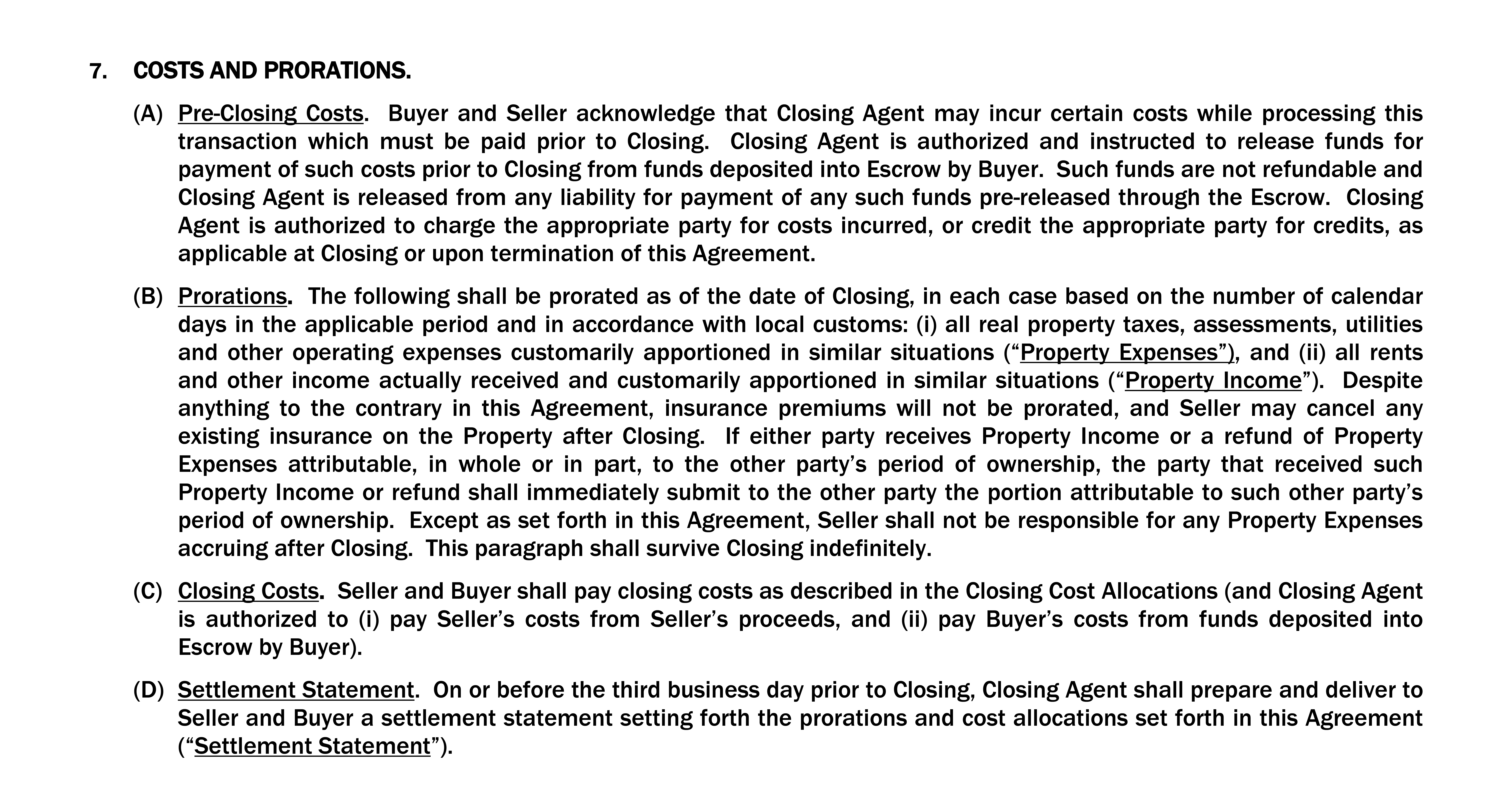
Figure 1: Section 7 of the Ten-X form Purchase and Sale Agreement
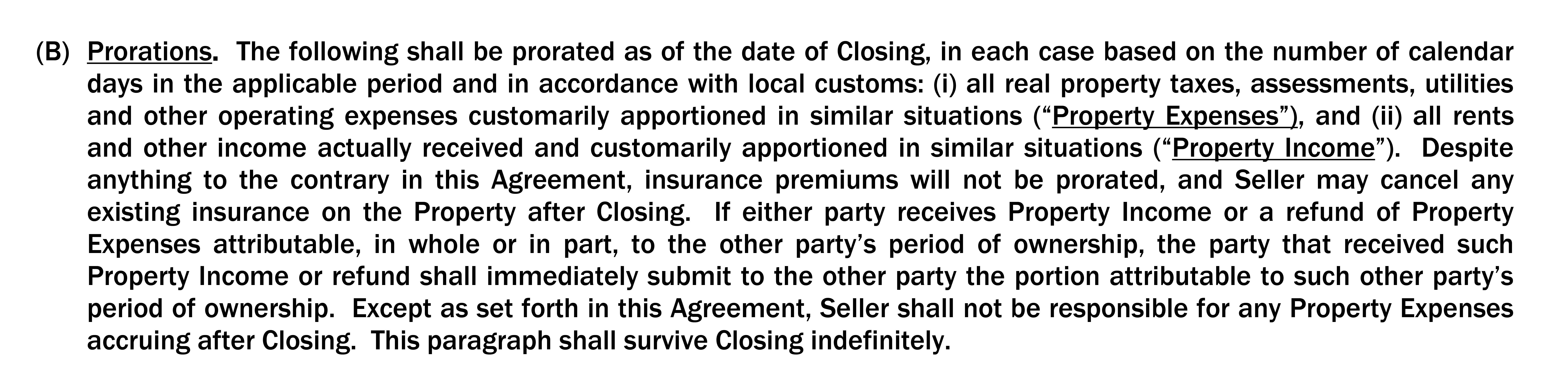
Figure 2: Prorations (B) of Section 7 in the Purchase and Sale Agreement
2. Calculate Prorated Amounts
The prorated amounts are calculated based on the number of days each party owns the property during the applicable period. The seller must gather all income receipts, invoices, and evidence of payments for the month of the scheduled closing, and then provide these to the buyer. From there, both parties work together to verify income and expenses are allocated correctly for periods of ownership.
For example, if the seller has owned the property for 60 days out of a 365-day fiscal year, they would be responsible for reimbursing the buyer for 60/365 of the annual expenses or income.
3. Prorations Reflected on Settlement Statement
At the closing of the sale transaction, all necessary prorations are reflected on the closing statement or settlement statement provided by the closing agent to ensure both parties are credited/debited all prorated expenses/income.
Prorations in Action
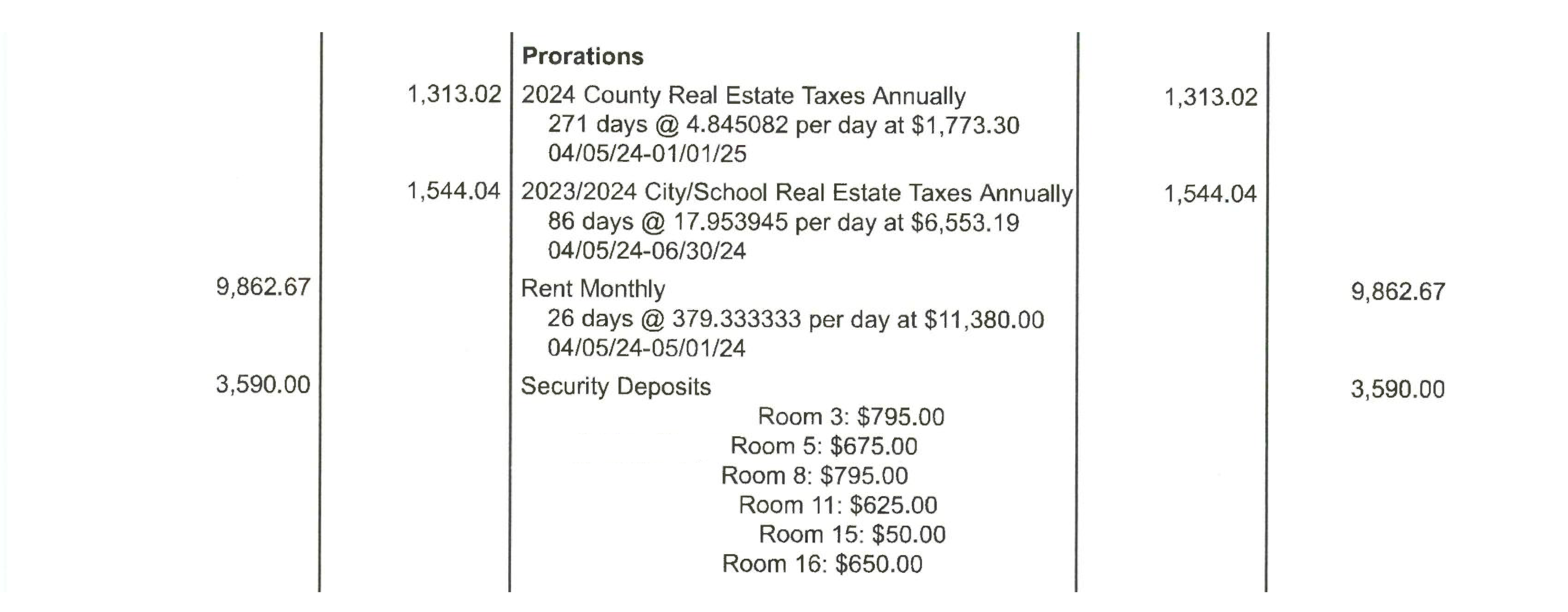
Figure 3: Buyer/Seller Prorations on a Ten-X Settlement Statement
In a Ten-X settlement statement example, prorations have been made on county and city/school real estate taxes, resulting in credits to the seller and debits to the buyer.
Specifically, the county real estate taxes were prorated, resulting in a $1,313.02 credit to the seller and a corresponding debit to the buyer.
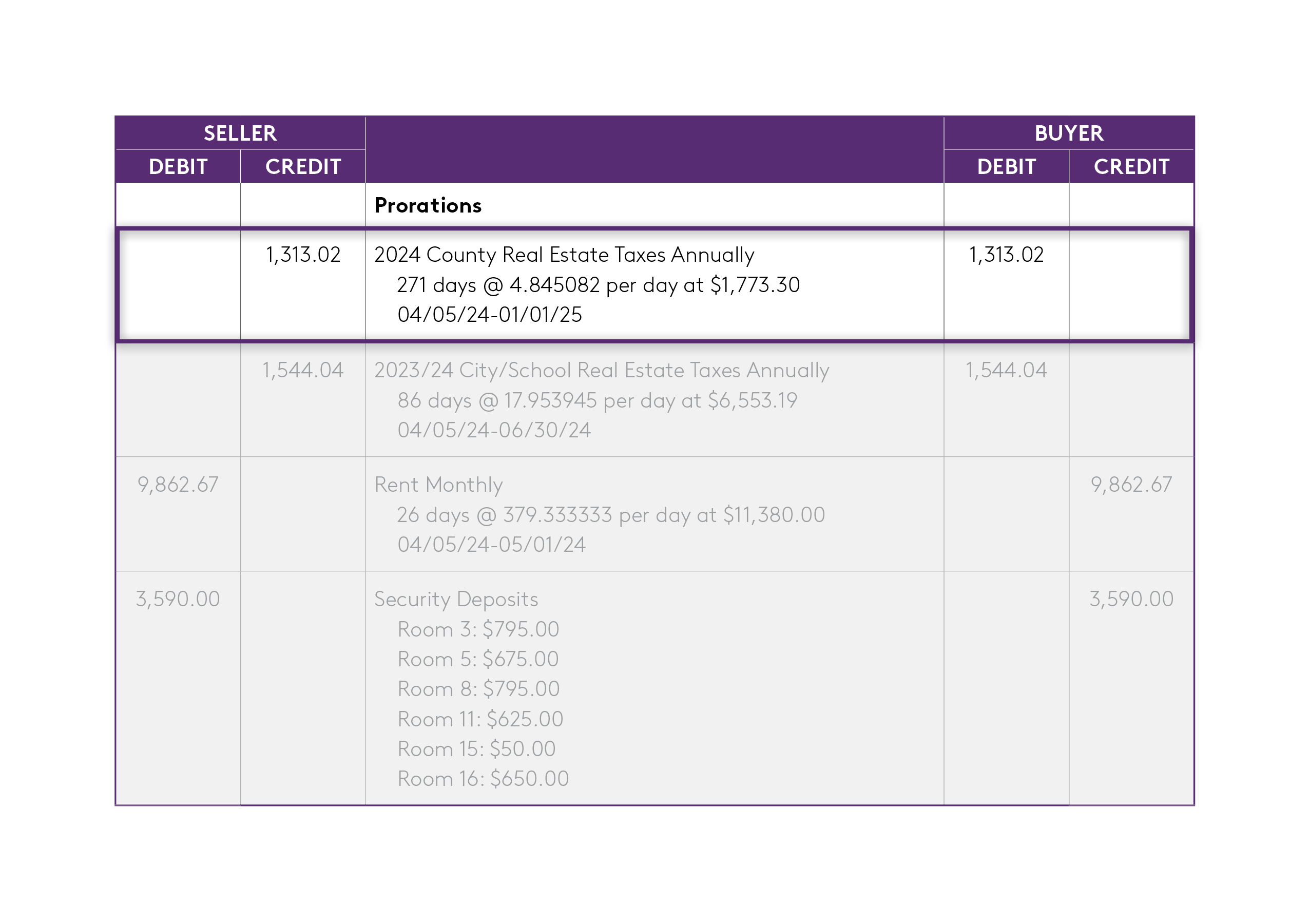
Figure 4: Prorated County Real Estate Taxes on a Ten-X Settlement Statement
Similarly, the city/school real estate taxes resulted in a $1,544.04 credit to the seller and a debit to the buyer. These amounts reflect the taxes prepaid by the seller for the period extending beyond the ownership date, which the buyer will now cover.
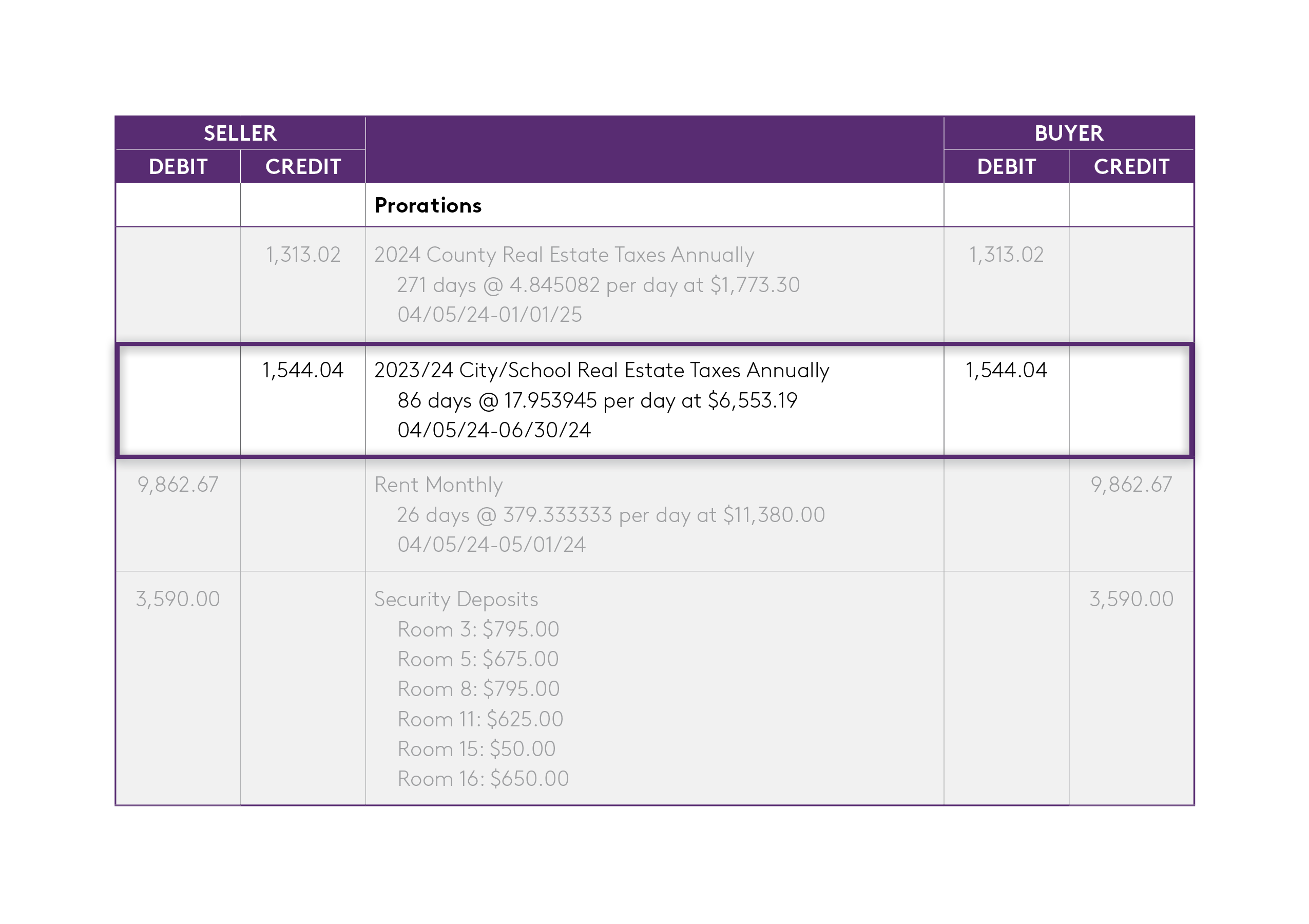
Figure 5: Prorated City/School Real Estate Taxes on a Ten-X Settlement Statement
The difference between the county and city/school tax prorations arises because these taxes are calculated separately, often at different rates and for different time periods. In this example, the county real estate taxes cover 271 days from April 5, 2024, to January 1, 2025, while the city/school real estate taxes cover 86 days from April 5, 2024, to June 30, 2024, when the next installment would be due.
Rents were also prorated, with $9,862.67 debited from the seller and credited to the buyer. This reflects the rent payments received by the seller for the period after the ownership date, which rightfully belong to the buyer as the new property owner.
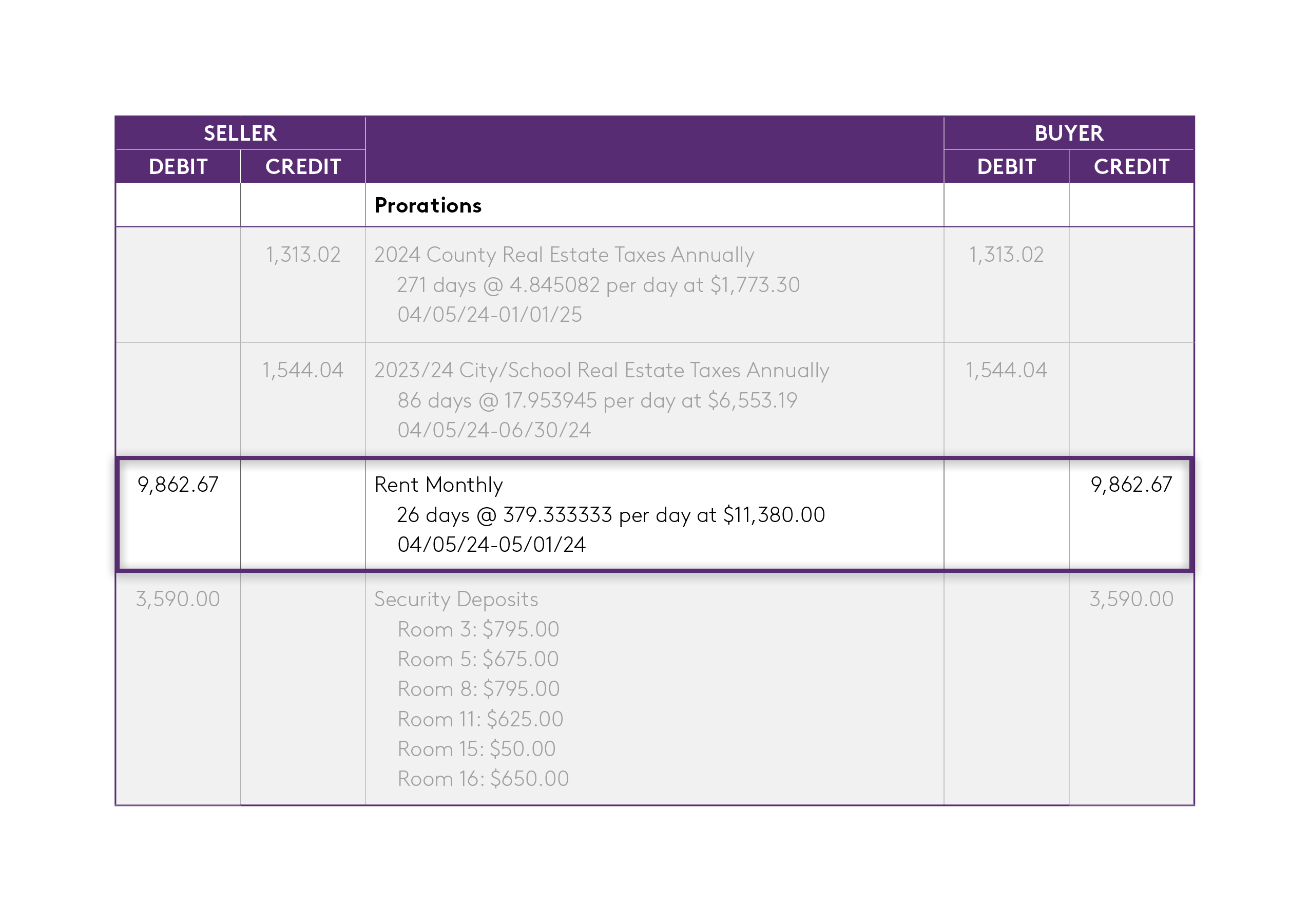
Figure 6: Prorated Rents on a Ten-X Settlement Statement
Security deposits, on the other hand, are not prorated. These deposits are typically held in trust for the tenants and are transferred in full to the buyer, who assumes responsibility for returning them to the tenants at the end of their leases.
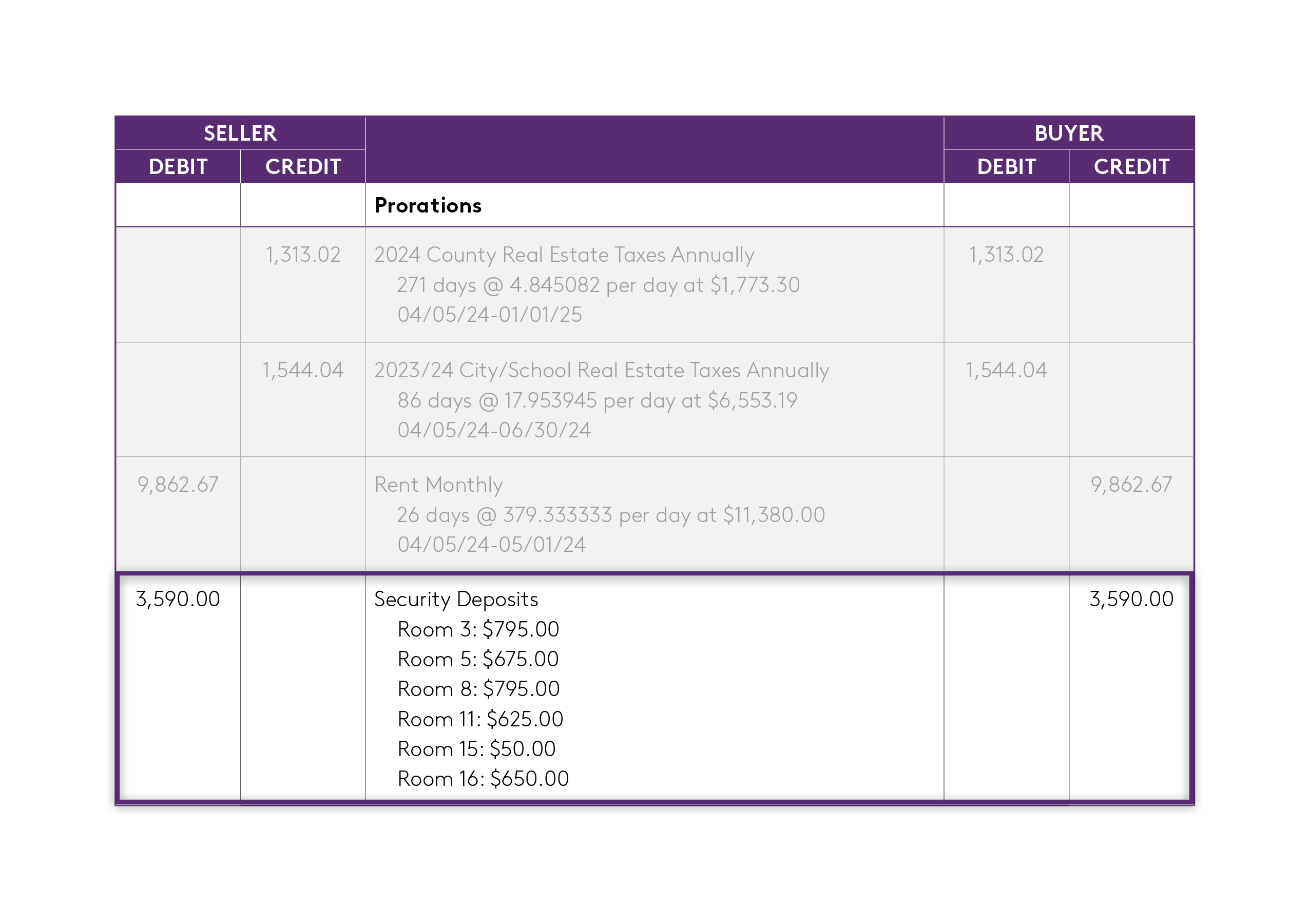
Figure 6: Security Deposits on a Ten-X Settlement Statement
This detailed example illustrates how prorations ensure that both parties are fairly compensated for taxes and rents based on the closing date, maintaining a balanced financial transaction.
Prorations Conclusion
Commercial real estate prorations ensure a fair distribution of income and expenses between the buyer and seller based on their respective ownership periods.
It’s important for both parties to carefully review and understand the proration terms outlined in the Ten-X PSA and final closing settlement statement to avoid any misunderstandings or disputes during the closing process. To learn more about the process, read our comprehensive guide here.
Interested in learning more about our closing process? Read our after-auction guides to contracting and closing: